

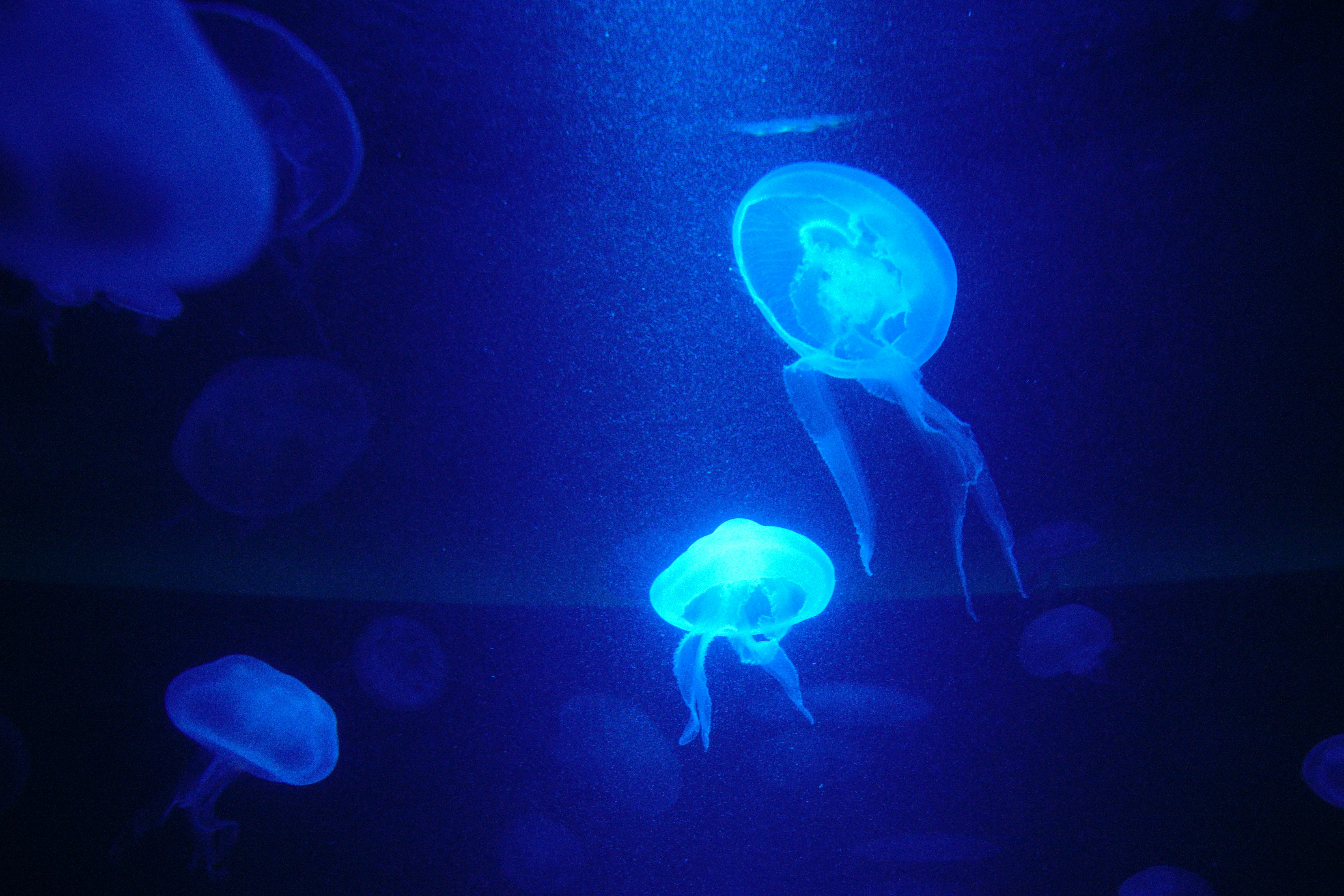
Understanding Bioluminescence
Bioluminescence is a captivating natural phenomenon observed in various organisms, wherein they emit light as a result of biochemical reactions within their bodies. This remarkable ability is primarily attributed to two key components: luciferin and luciferase. Luciferse is an enzyme that catalyzes the oxidation of luciferin, a light-emitting molecule, leading to the production of light. This biochemical process can occur in numerous environments, particularly among marine organisms, but it is also found on land among insects and fungi.
Several animals glow in the dark through bioluminescence, showcasing an impressive array of colors and patterns. For instance, species such as jellyfish, fireflies, and certain deep-sea creatures exhibit this phenomenon distinctly. Jellyfish utilize bioluminescence primarily as a defense mechanism, allowing them to bewilder predators and escape from potential threats. Similarly, fireflies employ their glowing abdomens to attract mates, showcasing a captivating light display during mating seasons. In the deep-sea environment, organisms such as the anglerfish use bioluminescent lures to attract unsuspecting prey, effectively utilizing their glow to enhance survival chances.
The ecological implications of bioluminescence are significant, as it serves various functions across different habitats. It can facilitate communication, aid in predation, and provide camouflage. The evolutionary advantages of animals that glow in the dark often revolve around increased mating success or reducing the risk of predation. Over time, bioluminescence has evolved independently in numerous lineages, leading to diverse expression forms across the animal kingdom. This showcases not only the complexity and adaptability of life forms but also highlights the allure of studying the biochemical mechanisms behind bioluminescence in illuminating the secrets of nature.
The Purposes of Glowing in the Dark
The phenomenon of bioluminescence, which allows certain species to exhibit a glow in the dark, serves an array of significant ecological and behavioral purposes. Primarily, glowing in the dark functions as a crucial mechanism for attraction and communication among animals. For instance, fireflies utilize their distinctive biological light to signal potential mates. The patterns and intensity of their glow can indicate individual fitness, thereby influencing reproductive success. This form of communication not only enhances mating but also showcases the evolutionary significance of glowing adaptations.
In addition to mating displays, many deep-sea creatures, such as the lanternfish, deploy bioluminescence for survival. Dwelling in the dark depths of the ocean, these fish exhibit a unique adaptation whereby glowing patterns on their bodies can help them confuse predators or lure unsuspecting prey. By emitting light, these animals create a captivating visual display that attracts smaller fish, subsequently enabling them to capture food more effectively. This example illustrates how glowing in the dark is critical for the survival and ecological competitiveness of various marine species.
Moreover, some animals exhibit bioluminescence as a defensive mechanism against predators. Certain species of squid and jellyfish utilize their glowing capabilities to create a smokescreen of light, confusing attackers and facilitating their escape. This adaptation underscores the importance of bioluminescence as a survival strategy in nature. In summary, the various functions of glowing in the dark encompass attracting mates, luring prey, and deterring predators, demonstrating the remarkable versatility and evolutionary importance of bioluminescence across diverse ecosystems. As researchers continue to explore this intriguing aspect of animal behavior, the secrets behind why these creatures glow remain a fascinating area of study.
Unique Adaptations and Survival Strategies
Bioluminescence is a fascinating phenomenon observed in various species across the animal kingdom, and it serves as a crucial adaptation for survival. Animals glow in the dark through a chemical reaction that occurs within specialized cells or organ structures. This reaction typically involves a light-emitting molecule called luciferin and an enzyme known as luciferase. The efficiency and effectiveness of this process vary across different species, often tailored to their specific ecological niches. For instance, deep-sea organisms like the anglerfish utilize luminescence to attract prey in the dark depths of the ocean, whereas fireflies produce light for mating signals.
Moreover, certain adaptations have evolved to enhance the visibility of glowing animals, relying on specific anatomical features. For example, some species possess light-producing organs located in strategic areas that maximize their chances of survival. These adaptations may be influenced by evolutionary pressures such as predation and competition for resources. Animals that can conceal their presence or deceive their surroundings capitalize on bioluminescence, improving both survival odds and reproductive success. An intriguing example is the phenomenon of counter-illumination, whereby animals like the squid adjust their emitted light to match the brightness of the surrounding water, thereby camouflaging themselves against predators lurking above.
In addition to attracting mates or luring prey, glowing animals employ other strategies to navigate their environments and ensure their survival. Some species utilize luminescence as a warning signal to potential predators or competitors, indicating that they may be toxic or unpalatable. This multifaceted role of bioluminescence underscores the complexity of evolutionary adaptations that have allowed certain animals to thrive in diverse habitats. Understanding these unique adaptations provides insight into the intricate relationship between glowing animals and their survival strategies in the wild, highlighting the essential role bioluminescence plays in their life cycles.
The Hidden World Beneath the Surface
Bioluminescent animals inhabit some of the most enigmatic environments on the planet, particularly underwater ecosystems. The vast majority of these luminous creatures thrive in the depths of the ocean, where sunlight is scarce, creating an extraordinary hidden world. Here, bioluminescence serves not only as a source of light but also as a crucial adaptation for survival. In these dark habitats, animals glow in the dark as a means of communication, hunting, or evading predation. It is fascinating to observe how such adaptations allow these species to thrive in conditions that might seem inhospitable.
The role of bioluminescence extends beyond simple survival mechanisms; it provides researchers with invaluable insights into the complexities of marine life. By studying how these animals interact with each other and their environment, scientists gain a deeper understanding of underwater ecosystems. For instance, bioluminescent displays can signal the presence of food sources or mating opportunities, playing a crucial role in the life cycles of many species. Additionally, these luminous signals can attract prey or confuse predators, thereby enhancing the survival of these organisms.
However, human activities pose significant threats to these delicate ecosystems. Pollution, overfishing, and climate change jeopardize not only the bioluminescent species but also the myriad of life forms that depend on a balanced ecosystem. The degradation of their habitats can disrupt the intricate relationships that enable these animals to glow in the dark. It is essential to recognize the importance of conservation efforts aimed at protecting these glowing wonders of nature. By fostering awareness and supporting sustainable practices, we can contribute to the preservation of bioluminescent species and their habitats, ensuring that the mysteries of the ocean continue to thrive for generations to come.




0 Comments